Irvine, CA · Orange County
Building Fire & Smoke Odor Removal in Irvine, CAElectrostatic Soot Removal & HVAC Duct Smoke Cleaning
Building Fire & Smoke Odor Removal in Irvine pairs whole-house air scrubbing, HVAC duct smoke cleaning, and fire damaged material removal.
Answered 24/7
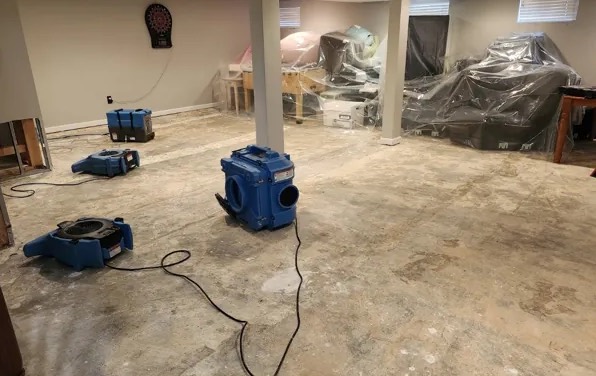
Total Building Deodorization in Irvine, CA
An HVAC system can spread smoke odor through the whole building every time the blower runs. Cleaned rooms can smell again if the ducts are skipped.
Homes in Irvine and nearby areas like Westpark, Columbus Grove and Woodbridge share building styles that affect how smoke spreads through attics and walls. Local smoke odor elimination experts fog and ozone-treat the materials found in these homes.
Detailed Building Fire & Smoke Odor Removal Procedures for Irvine
Electrostatic Soot Removal
Removing dry soot this way keeps it from being ground into surfaces, so hard surfaces come clean throughout the home.
HVAC Duct Smoke Cleaning
Supply and return ducts, registers, and the air handler are all cleaned to remove soot and tar that would otherwise circulate.
Fire Damaged Material Removal
Charred drywall, melted synthetics, and soaked insulation are removed first, since these materials hold the strongest odor.
Ozone Treatment for Smoke Odor
Ozone generators oxidize odor compounds in the air and on surfaces, which helps with strong chemical smells from burned plastics.
Air Scrubbing for Whole Buildings
For larger buildings, several air scrubbers run at once so the entire air supply passes through high-efficiency filters.
How to Tell If You Need Building Fire & Smoke Odor Removal
Soot in Electrical Outlets
Fine soot inside outlets and behind switch plates shows smoke reached into wall cavities, not just room surfaces.
Soot Residue on Walls and Ceilings
Black or gray soot on walls and ceilings shows smoke residue that household cleaners tend to smear rather than remove.
Smoke Odor in Closed Cabinets
Items inside closed cabinets that smell of smoke show the odor has passed through gaps and seals throughout the house.
Odor Returns After Opening Windows
When airing out the house does not clear the smell, smoke odor has worked its way into walls, floors, or furniture.
How Building Fire & Smoke Odor Removal Works in Irvine
Step 1: Initial Deodorization With Fogging
Smoke odor elimination experts fog the building first, breaking down odor residue on surfaces throughout the structure.
Step 2: Content Decontamination and Cleaning
Salvageable belongings are cleaned, often off-site, with methods suited to each material so soot and odor come out.
Step 3: Whole-Building Air Exchange
Negative air machines and scrubbers exchange the indoor air, pulling out smoky air and replacing it with filtered air.
Step 4: Sealing for Residual Odor Control
Porous framing and subfloors are sealed so any last traces of odor stay locked in place.
Factors That Complicate Odor Removal in Irvine
Contaminated HVAC Ductwork
An HVAC system running during a fire pulls smoky air into the ducts and coats their insides with soot.
Burning of Synthetic Materials
Burning furniture and plastics produce thick, oily smoke that leaves a sticky, strong-smelling residue on every surface.
Residual Oils From Incomplete Combustion
Oily residue from burned materials keeps giving off odor long after the fire is put out.
Thermal Movement of Odor Particles
Heat from a fire pushes smoke and odor into small cracks and gaps throughout the structure.
Whole-Building Deodorization for Irvine Residences and Offices
Residential Building Fire & Smoke Odor Removal
In homes, every living space usually needs treatment. Local pros run air scrubbers and clean contents so bedrooms, closets, and belongings stop smelling of smoke.
Commercial Building Fire & Smoke Odor Removal
Businesses need odor gone before reopening. The professionals clean the ducts and fog lobbies, offices, and stock rooms so customers and staff are not met by smoke smell.
Why Building Fire & Smoke Odor Removal Requires Local Pros
Move badly charred debris outdoors to remove obvious odor sources, and clean fan blades and light fixtures where soot settles. Odor inside insulation, drywall, or wood needs fogging or sealing.
Cost Factors for Building Fire & Smoke Odor Removal in Irvine
Duct cleaning and content cleaning add to the scope and the price when the HVAC system and belongings also hold odor.
Severity of Smoke Penetration
Heavy smoke residue needs more cleaning passes and repeat treatments than light surface soot does.
Affected Material Types
Porous materials like drywall and upholstery often need special treatment or removal, which adds work.
HVAC System Contamination
Cleaning ducts and HVAC parts adds equipment time and access work to the job.
Does Insurance Cover Building Fire & Smoke Odor Removal?
Your insurer decides whether building fire & smoke odor removal is covered. The pros in Irvine provide documentation for the claim file, and final approval rests with the insurance company.
Why Building Fire & Smoke Odor Removal Demands Professional Expertise
Content Salvage Focus
Belongings are cleaned and deodorized so items that might otherwise be thrown out can often be kept.
Residual Odor Prevention
Sealing porous surfaces locks in trace odor that cleaning misses, so it does not return after repairs.
HVAC System Decontamination
Ducts are cleaned so the HVAC system does not keep pushing smoke odor through the building after cleanup.
Urgent Building Fire & Smoke Odor Removal When You Need It Most
Odors set quickly after a fire, so an early start matters. Call (949) 991-6937 day or night for an assessment and first steps to contain the smell.
Call Now (949) 991-6937Areas Served for Building Fire & Smoke Odor Removal
Whole-house smoke smell removal is available to homeowners and businesses throughout Irvine and communities such as Westpark, Columbus Grove and Woodbridge.
Understanding Building Fire & Smoke Odor Removal: Frequently Asked Questions
What's the difference between cleaning and deodorizing?
Cleaning removes visible soot residue, while deodorizing breaks down the odor molecules left behind. Most fire jobs need both steps.
Why is HVAC duct smoke cleaning necessary?
Soot in the ducts spreads odor every time the system runs. Cleaning the ducts stops that cycle so treated rooms stay fresh.
Will opening windows get rid of smoke smell in home?
Airing out helps with smoke in the air at first, but it does not remove odor soaked into walls, furniture, and carpet.
When is surface sealing for residual odor used?
Sealers go on porous surfaces like concrete or framing as a final step, holding in any remaining odor molecules before rebuilding.
What materials typically require fire damaged material removal?
Charred wood, melted plastics, contaminated insulation, and anything that cannot be cleaned or is unsafe are removed and disposed of.