Westpark, CA · Orange County
Whole-Building Fire & Smoke Odor Removal in Westpark, CAWhole-House Air Scrubbing & Surface Sealing For Residual Odor
Whole-Building Fire & Smoke Odor Removal in Westpark pairs whole-house air scrubbing, HVAC duct smoke cleaning, and fire damaged material removal.
Answered 24/7
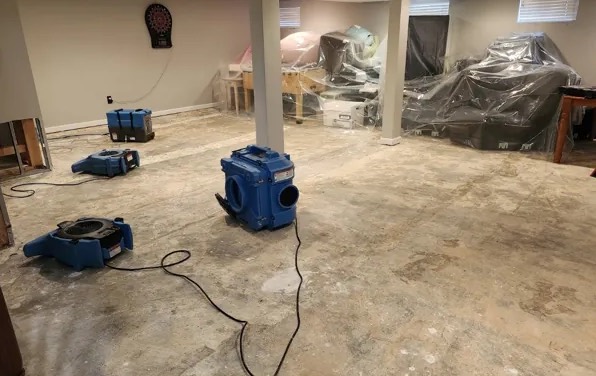
Professional Whole-Building Fire & Smoke Odor Removal in Westpark, CA
Smoke travels through wall cavities, ducts, and attics, leaving residue far from the fire. Treating only the rooms that smell worst often lets odor come back later.
For homes in Westpark and nearby Columbus Grove, Woodbridge and University Park, treating the air alone is not enough because odor binds to surfaces. Local pros clean, deodorize, and then seal porous materials.
Comprehensive Whole-Building Fire & Smoke Odor Removal Services
Whole-House Air Scrubbing
HEPA and carbon filters in industrial air scrubbers capture fine soot and odor particles from every room before they settle on curtains and upholstery.
Surface Sealing for Residual Odor
After cleaning, local smoke odor elimination experts seal framing, subfloors, and concrete with an odor-blocking coating so trace odor stays locked in.
HVAC Duct Smoke Cleaning
After a fire in Westpark, the duct system is cleaned with vacuum equipment and agitation tools before it is used again.
Fire Damaged Material Removal
Burned drywall, melted plastics, and wet insulation cannot be cleaned, so the experts remove and dispose of them.
Air Scrubbing for Whole Buildings
For larger buildings, several air scrubbers run at once so the entire air supply passes through high-efficiency filters.
Signs a Westpark Property Needs Fire Smoke Odor Elimination
Persistent Smoky Odor in Rooms
A fire smell that stays in several rooms after cleaning means odor has soaked into the building, not just the surfaces.
Soot Residue on Walls and Ceilings
Black or gray soot on walls and ceilings shows smoke residue that household cleaners tend to smear rather than remove.
Odor Stronger on Humid Days
A smoke smell that gets stronger on damp days means odor is trapped in porous materials and released when moisture rises.
Soot in Electrical Outlets
Fine soot inside outlets and behind switch plates shows smoke reached into wall cavities, not just room surfaces.
How Whole-Building Fire & Smoke Odor Removal Works in Westpark
Step 1: Comprehensive Soot Removal
Dry and wet cleaning remove visible soot, which carries much of the lingering smoke odor.
Step 2: Deep HVAC System Decontamination
The HVAC system is cleaned and deodorized, since dirty ducts are a common source of returning smells.
Step 3: Advanced Oxidizing Treatments
Ozone or hydroxyl treatment breaks down odor molecules left in the air and in porous materials.
Step 4: Final Deodorization and Cleaning
A final round of cleaning and deodorizing follows, and pros check each room for odor before finishing.
Common Causes of Persistent Fire Odor
Thermal Movement of Odor Particles
Heat from a fire pushes smoke and odor into small cracks and gaps throughout the structure.
Residual Oils From Incomplete Combustion
Oily residue from burned materials keeps giving off odor long after the fire is put out.
Smoke Penetration Into Porous Materials
Smoke odor soaks deep into drywall, wood, and insulation, which then release the smell for months if left untreated.
Incomplete Post-Fire Cleaning
Wiping and vacuuming after a fire often misses fine smoke particles lodged in porous surfaces and floating in the air.
Comprehensive Odor Solutions for Any Building
Residential Whole-Building Fire & Smoke Odor Removal
In homes, pros combine air scrubbing with ozone treatment suited to household materials, and plan the work so the family can move back in sooner.
Commercial Whole-Building Fire & Smoke Odor Removal
Office buildings often have long, complex duct runs. Pros remove burned materials, clean the ducts zone by zone, and scrub the air on each floor.
The Limits of DIY Fire Odor Elimination
Photograph the damage before cleaning or moving anything, and list affected belongings. Share the photos with your insurer, then leave deodorizing of walls and contents to pros.
What Influences Fire Odor Removal Pricing
Duct cleaning and content cleaning add to the scope and the price when the HVAC system and belongings also hold odor.
Severity of Smoke Penetration
Heavy smoke residue needs more cleaning passes and repeat treatments than light surface soot does.
Affected Material Types
Porous materials like drywall and upholstery often need special treatment or removal, which adds work.
Building Square Footage
Larger buildings need more labor time and more deodorizing solution to cover every room.
Does Insurance Cover Whole-Building Fire & Smoke Odor Removal?
Property owners in Westpark should ask their insurer whether odor treatment, including ozone, is covered under their homeowner or commercial policy.
Selecting the Right Smoke Odor Elimination Experts for Your Project
Thorough Soot Removal
Electrostatic cleaning removes fine soot from surfaces, which has to happen before deodorizing can work.
Residual Odor Prevention
Sealing porous surfaces locks in trace odor that cleaning misses, so it does not return after repairs.
24/7 Emergency Response
Smoke odor sets into materials over time, so starting quickly limits how deep it soaks in.
Around-the-Clock Help for Smoke Damage in Westpark, CA
Deodorizing works better before odor settles deep into walls and furniture. Call (949) 991-6937 at any hour for an initial assessment of the smoke damage.
Call Now (949) 991-6937Areas Served for Whole-Building Fire & Smoke Odor Removal
Each place listed below has its own page with local details.
- Whole-Building Fire & Smoke Odor Removal in Columbus Grove
- Whole-Building Fire & Smoke Odor Removal in Woodbridge
- Whole-Building Fire & Smoke Odor Removal in University Park
- Whole-Building Fire & Smoke Odor Removal in Oak Creek
- Whole-Building Fire & Smoke Odor Removal in University Town Center
- Whole-Building Fire & Smoke Odor Removal in Turtle Rock
- Whole-Building Fire & Smoke Odor Removal in Cypress Village
- Whole-Building Fire & Smoke Odor Removal in Northwood
Frequently Asked Questions About Whole-Building Fire & Smoke Odor Removal
Can fire smells come back after treatment?
They can if treatment is incomplete. Cleaning the ducts and sealing porous surfaces keeps odor from coming back after the work.
What's the difference between cleaning and deodorizing?
Cleaning removes visible soot residue, while deodorizing breaks down the odor molecules left behind. Most fire jobs need both steps.
How does thermal fogging deodorization work?
A heated deodorant is turned into a fine fog that travels into porous materials and breaks down odor molecules where cleaning cannot reach.
When is surface sealing for residual odor used?
Sealers go on porous surfaces like concrete or framing as a final step, holding in any remaining odor molecules before rebuilding.
Can ozone treatment remove strong smoke smells?
Ozone generators release O3, which breaks apart smoke odor compounds in the air and on porous surfaces when used in an empty building.