Santa Ana, CA · Orange County
Mold Structural Damage Restoration in Santa Ana, CAMold Infested Drywall Removal & HVAC Duct Mold Cleaning
Mold Structural Damage Restoration in Santa Ana involves services like HVAC duct mold cleaning, mold damaged flooring removal, and post-remediation structural drying.
Answered 24/7
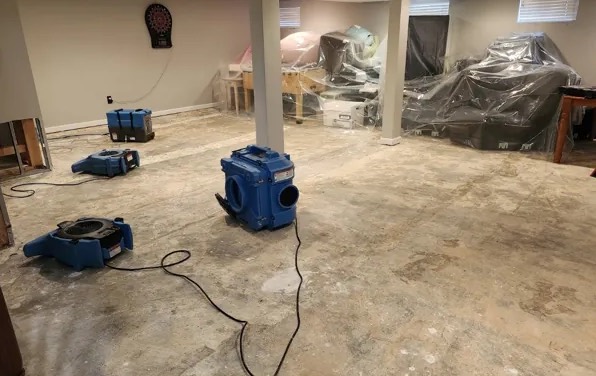
Mold Structural Damage Restoration Experts Serving Santa Ana
Mold structural damage restoration matters in Santa Ana because hidden fungal growth can weaken load-bearing elements, posing safety risks and lowering property value. Water damage mold often leads to costly structural repairs if not addressed properly.
Across Santa Ana and nearby Tustin, Orange and Garden Grove, the work often includes duct cleaning and drywall removal. ZIP codes 92701, 92702, 92703, 92704, 92706, 92707, 92712 and 92735 see these services regularly. Local mold remediation pros perform the work. From the first call to (949) 991-6937 through the final walkthrough, Santa Ana property owners can ask questions at each stage.
Detailed Mold Structural Damage Restoration Offerings in Santa Ana
Mold Infested Drywall Removal
Mold growth on drywall signals that moisture has penetrated the material. The removal process involves precise cutting, bagging the debris onsite, and thorough cleaning of the adjacent surfaces. The mold is removed, not just covered up.
HVAC Duct Mold Cleaning
Mold in air ducts spreads spores. Professional cleaning uses specialized brushes and vacuums to remove mold and apply treatment to inhibit regrowth.
Mold Damaged Flooring Removal
When mold damages flooring, the aesthetic surface is often just the tip of the problem. The removal process is methodical, prioritizing containment to prevent spore dispersal throughout your home during demolition.
Post-Remediation Structural Drying
Structural drying removes the latent moisture that initially caused the mold problem. The process employs high-volume airflow and desiccant dehumidification to dry wall cavities, subfloors, and framing from the inside out.
Structural Wood Mold Treatment
For homes in Santa Ana with mold on framing, the wood is cleaned and treated. The pros use specialized cleaners and drying techniques to salvage the wood whenever possible, avoiding costly full replacement.
Warning Signs You Need Mold Structural Damage Restoration
Cracking or Splitting Wood Joints
As mold weakens structural wood, joints and supports may start to show physical stress cracks.
Recent Water Damage Stains
Discolored ceilings or walls from past leaks can create the perfect environment for mold.
Peeling Paint or Wallpaper
Adhesive failure and paint blistering are common signs of moisture and mold behind the surface.
Insulation That Feels Damp
Wet or compacted attic or wall insulation stops insulating well and often hides mold growth.
How Mold Structural Damage Restoration Works in Santa Ana
Step 1: Emergency Response and Evaluation
Upon quick action, the specialists assess the scope of structural damage and plan the mold damage restoration process.
Step 2: Active Mold Growth Removal
Pros physically remove all visible mold colonies and the porous materials they grow on, such as during mold contaminated insulation removal.
Step 3: Antimicrobial Application and Treatment
After removal, approved antimicrobials are applied to remaining structural surfaces to inhibit any residual mold spores from reactivating.
Step 4: Air Quality Clearance Testing
Air samples may be taken afterward to confirm spore counts are safe.
What Causes Mold Structural Damage
Appliance Overflow Incidents
Washing machine, dishwasher, or water heater failures can flood floors and walls, starting rapid mold growth.
Poor Bathroom Ventilation
Shower steam with no exhaust fan leads to moisture buildup on walls and ceilings, encouraging mold.
Condensation in HVAC Ducts
Temperature differences in ductwork can create condensation, leading to mold growth inside the air distribution system.
High Indoor Humidity Levels
Consistent humidity above 60 percent allows mold spores on surfaces to germinate and colonize materials.
Mold Structural Damage Restoration for All Property Types in Santa Ana
Residential Mold Structural Damage Restoration
In homes, mold structural damage restoration addresses hidden mold in wall cavities, under flooring, and within attics. The pros remove drywall, treat the subfloor and dry the structure so the home is safe again.
Commercial Mold Structural Damage Restoration
For businesses, mold can disrupt operations and affect air quality in offices, retail spaces, or warehouses. The pros remove insulation and clean ducts with containment to limit business downtime.
When to DIY and When to Hire Local Pros for Mold Structural Damage Restoration
After a minor leak, you can wipe up standing water and move wet items to aid drying. If materials like drywall or flooring remain damp over 48 hours, contact the pros in Santa Ana for mold damage restoration before mold establishes.
Understanding Mold Structural Damage Restoration Costs in Santa Ana
The final price reflects the containment needed and how much structural wood must be treated to stop further decay.
Testing and Verification
Post-remediation mold testing to confirm clearance adds a final step and associated lab analysis fees.
Material Type
Costs differ between treating porous wood studs versus non-porous materials, as each requires specific mold removal and restoration approaches.
Emergency Response
After-hours or weekend work to set up mold containment may cost more than scheduled work.
Does Insurance Cover Mold Structural Damage Restoration?
There is no standard answer for insurance covering mold and mildew removal from structures. Review your policy for mold riders or specific exclusions. The pros supply the necessary damage assessment documentation. Your adjuster approves any structural repair after mold, so confirm with them.
Why Santa Ana Properties Need Local Pros for Mold Structural Damage Restoration
Structural Damage Focus
The work prioritizes assessing and addressing compromised load-bearing elements and building materials, not just surface mold cleanup.
IICRC-Standard Remediation
Methods follow industry guidelines for safe mold abatement and structural repair, focusing on containment and proper removal.
Detailed Damage Documentation
Pros document all affected areas with photos and moisture data, which can assist in your insurance claim process.
24/7 Emergency Mold Structural Restoration in Santa Ana
Emergency mold and mildew removal from structural components cannot wait. For help with containment and assessment in Santa Ana, call (949) 991-6937 anytime. The pros focus on halting further structural damage during the initial response.
Call Now (949) 991-6937Mold Structural Damage Restoration Provided Throughout Orange County
Other places served are listed below, each with its own page.
- Mold Structural Damage Restoration in Tustin
- Mold Structural Damage Restoration in Orange
- Mold Structural Damage Restoration in Garden Grove
- Mold Structural Damage Restoration in Tustin Foothills
- Mold Structural Damage Restoration in Columbus Grove
- Mold Structural Damage Restoration in Costa Mesa
- Mold Structural Damage Restoration in Great Park
- Mold Structural Damage Restoration in Hidden Canyon
Your Mold Structural Damage Restoration Questions Addressed
Why is structural drying a separate phase after mold removal?
Drying removes moisture left from the leak or the remediation, which prevents mold from coming back.
What is involved in mold structural damage restoration?
It includes assessment, containment, removal of moldy materials, treatment of the remaining structure, drying and final testing.
Can mold remediation and structural repair happen simultaneously?
The order matters: removal and containment come first, then structural drying, then any structural repairs.
Why is emergency mold containment setup important?
Containment with plastic sheeting and negative air pressure isolates the work area, preventing mold spores from spreading to clean parts of your home during remediation.
Does mold testing happen before and after restoration?
Pre-testing can identify spore types and levels. Testing after remediation is standard to confirm cleanup and drying worked.