Walnut, CA · Los Angeles County
Attic Water Damage Restoration in Walnut, CAWet Attic Insulation Removal & Roof Leak Water Removal
Attic Water Damage Restoration in Walnut runs from roof leak water removal and attic leak water cleanup to attic drying services.
Answered 24/7
Get Help with Attic Water Damage Restoration in Walnut
Wet attic insulation is heavy and holds water against the ceiling drywall. In Walnut homes, that weight and moisture can make a ceiling sag and eventually fall if the insulation is not removed.
A storm leak in Walnut can soak attic insulation in one night. Local water removal experts serve Walnut and nearby Diamond Bar, Rowland Heights and Chino Hills, with help available around the clock.
Available Attic Water Damage Restoration Work in Walnut
Wet Attic Insulation Removal
Insulation that stayed wet for days is removed rather than dried, since it rarely recovers and keeps the ceiling drywall damp.
Roof Leak Water Removal
A tarp can be placed over the damaged roof section to stop more rain from getting in while drying begins below.
Emergency Attic Water Extraction
Emergency extraction in an attic removes standing water from decking and drywall tops, and buckets or containment catch active drips.
Attic Leak Water Cleanup
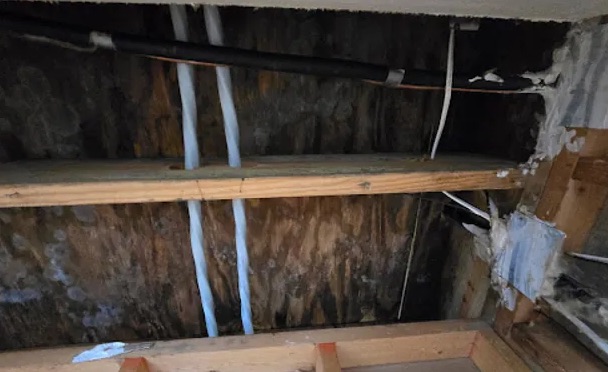
Water that collected on attic decking, joists and the top of the ceiling drywall is removed, and wet debris is cleared so the area can dry.
Attic Drying Services
Equipment is placed on boards or platforms in the attic so it can run safely without stressing the ceiling drywall.
Indicators for Emergency Attic Water Removal
Water Stains on Ceiling
Brown rings or yellow spots on an upstairs ceiling usually mean water is sitting on the drywall from above.
Crumbling Drywall Tape
Ceiling drywall tape that bubbles, cracks or peels usually means water is soaking the seams.
Rust on Nails or Vents
Rusted nail tips, vent flanges or metal straps in the attic point to repeated moisture.
Peeling Paint or Wallpaper
Paint that bubbles or peels on upstairs ceilings and walls often has water behind it.
How Attic Water Damage Restoration Works in Walnut
Step 1: Initial Assessment and Water Removal
The pros find the source, check safety in the attic and remove standing water and wet debris.
Step 2: Wet Attic Insulation Removal
Soaked batts or blown-in insulation are bagged and removed so the wood and drywall can dry.
Step 3: Targeted Attic Drying Process
Drying equipment is aimed at the wet framing and ceiling, and moved as areas reach normal readings.
Step 4: Sanitization and Mold Prevention
Once dry, decking and rafters that stayed wet can be cleaned and treated with an antimicrobial.
What Causes Attic Water Damage in Walnut?
Clogged or Damaged Gutters
Clogged gutters overflow at the roof edge, pushing water under shingles and into the soffits.
Roof Leaks and Damaged Shingles
Missing, cracked or lifted shingles let rain reach the roof deck and drip into the attic.
Improperly Sealed Roof Penetrations
Gaps around vents, pipes and antennas that pass through the roof let water in when seals fail.
Attic Appliance Leaks
AC air handlers in the attic overflow when the condensate line clogs or the pan cracks.
Residential and Commercial Attic Water Damage Restoration in Walnut
Residential Attic Water Damage Restoration
Homeowners often store boxes and holiday items in the attic. Wet belongings are moved out and dried or discarded before work on the insulation and framing starts.
Commercial Attic Water Damage Restoration
Offices and stores with roof leaks need the area below protected during work. Drying is planned around business hours where possible to keep the space open.
Handling Attic Water Damage: DIY Risks vs. Pro Help
Fans in the room below will not dry an attic. The wood and insulation above need dehumidifiers and air movers placed in the attic, with readings to confirm they are dry.
Factors Affecting Attic Water Damage Restoration Cost in Walnut
Tight attic access, after-hours calls and ceiling drywall replacement all add to the total for attic water damage restoration in Walnut.
Affected Attic Materials
Wet insulation, decking and ceiling drywall that must be removed add labor and disposal costs.
Required Drying Time
Dense wood framing can take several days to dry, adding equipment time.
Duration Before Response
A leak found right away costs less to fix than one that soaked the attic for weeks.
Does Insurance Cover Attic Water Damage Restoration?
Photos, moisture readings and drying logs from local water removal experts help support an insurance claim for attic water damage in Walnut. Keep copies of everything.
Advantages of Hiring Local Pros for Attic Water Damage Restoration
Industry Drying Standards
Drying follows industry water damage standards, with readings taken at each visit.
Wet Insulation Handling
Wet insulation is bagged and removed carefully, keeping debris out of the living space.
Ceiling Damage Mitigation
Sagging ceiling drywall is drained and removed safely before it can fall.
Emergency Attic Water Removal Available Now
Ceiling bulging or sagging? Keep everyone out of the room below it and call (949) 991-6937 now for attic water damage restoration in Walnut.
Call Now (949) 991-6937Local Attic Water Damage Restoration Coverage Area
Each place listed below has its own page with local details.
- Attic Water Damage Restoration in Diamond Bar
- Attic Water Damage Restoration in Rowland Heights
- Attic Water Damage Restoration in Chino Hills
- Attic Water Damage Restoration in Brea
- Attic Water Damage Restoration in La Habra
- Attic Water Damage Restoration in Whittier
- Attic Water Damage Restoration in San Clemente
- Attic Water Damage Restoration in Lakewood
Common Attic Water Damage Restoration Queries Answered
How is attic water damage documented?
With photos of the leak point and damage, moisture readings, a list of removed materials and daily drying logs.
How do I know the attic is completely dry?
Moisture readings on decking, rafters and the ceiling are compared to unaffected dry areas until they match.
Is attic mold prevention always needed after water damage?
Fast drying is always needed. Antimicrobial treatment is added when wood stayed wet long enough to need it.
What are common signs of poor attic ventilation?
Damp or dark roof decking, rusted nails, musty smells and condensation on the underside of the roof.
How long does the attic drying process take?
Often several days, depending on how wet the wood is, the attic temperature and how much insulation was removed.