Chino Hills, CA · San Bernardino County
Multi-Family Water Damage Restoration in Chino Hills, CAWet Drywall Removal & Multi-Family Property Drying
Multi-Family Water Damage Restoration in Chino Hills includes apartment water extraction, condo water damage cleanup, and multi-unit flood drying.
Answered 24/7
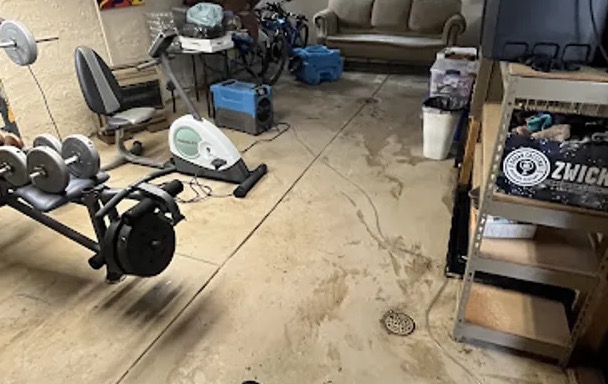
Trusted Multi-Family Water Damage Restoration for Chino Hills Residents
Apartment water damage cleanup is a frequent need in rental properties, where aging plumbing or appliance failures are common. In Chino Hills, such events can affect ceilings, floors, and personal belongings across several units.
For water damage in apartment buildings, an and coordinated response is vital. In Chino Hills, local water extraction experts are equipped to handle large-volume losses from broken mains or appliance failures.
Multi-Family Water Damage Restoration Services in Chino Hills
Wet Drywall Removal
In multi-family units, wet drywall removal is often required after plumbing or roof leaks. Water damage pros cut out damaged sections for complete structural drying.
Multi-Family Property Drying
Multi-family property drying addresses moisture throughout a building's structure after a widespread water incident. It requires strategic placement of drying equipment in units, common walls, and mechanical rooms.
Condo Water Damage Cleanup
Condo water damage cleanup addresses flooding from plumbing or appliance leaks. The process involves water extraction, material removal, and thorough drying.
Apartment Water Extraction
Effective apartment water extraction requires powerful equipment for unit floors and shared hallways. It stops water migration affecting neighboring apartments.
Multi-Unit Flood Drying
Multi-unit flood drying uses air movers and dehumidifiers to eliminate moisture from walls and floors. Proper drying prevents warping and hidden mold.
When to Call for Multi-Family Water Damage Restoration in Chino Hills
Musty Odors in Common Areas
Persistent damp smells in hallways or lobbies mean moisture is hidden somewhere in the building.
Swollen or Soft Drywall
Walls or ceilings that feel soft or spongy are soaked through, and the wet drywall usually has to be cut out and replaced.
Rust on Pipes or Fixtures
Corrosion on plumbing under sinks or in utility closets often precedes leaks, calling for preventative action from the pros.
Buckling or Warped Flooring
Carpets, laminate, or hardwood floors that are lifting or cupping are classic signs of water damage in apartment buildings.
How Multi-Family Water Damage Restoration Works in Chino Hills
Step 1: Source Containment and Safety Securement
The first priority is stopping the active water flow and securing the area for safety, helping ensure no electrical hazards exist for residents or workers.
Step 2: High-Efficiency Condo Water Removal
Submersible pumps and portable extractors remove water from balconies, parking garages and living spaces.
Step 3: Building-Wide Dehumidification and Air Scrubbing
Large-capacity dehumidifiers and air scrubbers work to remove moisture from the air and eliminate odors throughout the building's ventilation system.
Step 4: Detailed Reporting for Property Management
The pros provide a comprehensive report detailing the cause, actions taken, and moisture logs for the property manager's permanent records.
Common Causes of Water Damage in Chino Hills Apartments
Appliance Malfunctions and Overflows
Faulty washing machines, water heaters, or dishwashers in individual units can flood multiple floors.
Roof Leaks During Heavy Rain
Compromised roofing can allow water to seep into top-floor units and cascade down.
Clogged Balcony or Patio Drains
Blocked drainage on exterior spaces causes water to pool and infiltrate sliding doors, leading to interior floor damage.
Fire Suppression Efforts
Water used to extinguish a fire in one unit can cause extensive collateral water damage to surrounding apartments and hallways.
Multi-Family Water Damage Restoration for Apartments and Businesses in Chino Hills
Residential Multi-Family Water Damage Restoration
For condo associations, the pros address humidity and leaks in shared walls and mechanical chases. Their services include condo water removal and targeted drying to protect the building's structure.
Commercial Multi-Family Water Damage Restoration
In large apartment portfolios owned by investment firms, the pros provide systematic multi-family property drying. They use the same drying and documentation process in every building.
The Risks of DIY Multi-Family Water Damage Restoration in Chino Hills
You can document the initial damage for your insurance claim by taking clear photos and videos of the affected areas and the water source. Make a list of damaged personal property items.
Understanding Multi-Family Water Damage Restoration Expenses in Chino Hills
In Chino Hills, the cost for emergency water removal services is determined by the time of day and the volume of water needing extraction.
Water Damage Category
Clean water from a broken pipe costs less to remediate than contaminated gray or black water, which requires stricter safety protocols and more intensive cleaning procedures.
Mold Prevention Needs
If moisture has lingered, apartment mold prevention steps like applying antimicrobial agents add to the scope and cost beyond basic water extraction.
Structural Material Damage
Costs go up when drywall, subflooring or cabinets must be removed and repaired, compared to water on sealed concrete or tile.
Does Insurance Cover Multi-Family Water Damage Restoration?
Emergency water removal services following a flood in apartments often prompt an insurance claim. This documentation is provided for the insurance company's review.
The Value of Local Pros for Multi-Family Water Damage Restoration
Containment Protocols
To protect unaffected apartments, the pros set up containment barriers, controlling dust and moisture migration during wet drywall removal and drying.
Structural Drying Knowledge
Understanding multi-family building construction allows for strategic drying plan placement to address hidden moisture and protect structural integrity.
Moisture Verification
Meters confirm each unit is dry before equipment comes out, so no hidden moisture is left in shared walls.
Emergency Water Damage Help in Chino Hills
Water spreading in your apartment building requires immediate action. For 24/7 emergency water removal in Chino Hills to stop the damage and start the drying process, call the experts at (949) 991-6937 now.
Call Now (949) 991-6937Multi-Family Water Damage Restoration Service Area Including Chino Hills
Other places served are listed below, each with its own page.
- Multi-Family Water Damage Restoration in Diamond Bar
- Multi-Family Water Damage Restoration in Walnut
- Multi-Family Water Damage Restoration in Rowland Heights
- Multi-Family Water Damage Restoration in Yorba Linda
- Multi-Family Water Damage Restoration in Brea
- Multi-Family Water Damage Restoration in San Clemente
- Multi-Family Water Damage Restoration in Whittier
- Multi-Family Water Damage Restoration in Lakewood
Your Multi-Family Water Damage Restoration Questions Addressed
What steps prevent cross-contamination during water removal in a multi-unit property?
Using containment barriers and negative air machines helps isolate the work area, controlling dust and moisture migration between units during the restoration project.
Is commercial water extraction used for apartment buildings?
Yes. Apartment buildings often need truck-mounted units and commercial pumps to move large volumes of water.
Does multi-unit flood drying require special equipment?
Yes, commercial-grade dehumidifiers, high-capacity air movers, and specialized moisture detection tools are used to effectively dry shared walls, floors, and cavities across multiple units.
What steps follow emergency water removal in a condo?
After extraction, detailed drying begins, potentially including wet drywall removal, subfloor drying, dehumidification, and ongoing moisture monitoring until all materials meet dry standards.
What documentation is provided for an insurance claim?
Local pros document the damage with photos, provide moisture reading logs, and detail the restoration process performed, which you submit to your insurer for their review.